Failed Pressure Regulator and Main Shut Off Valve Replaced
Most homeowners don't think twice about water pressure - until something feels off. Showers that trickle, fixtures that fluctuate, or pipes that bang and hammer are all signs that something upstream may have given out. A lot of the time, the culprit is a failed pressure regulator.
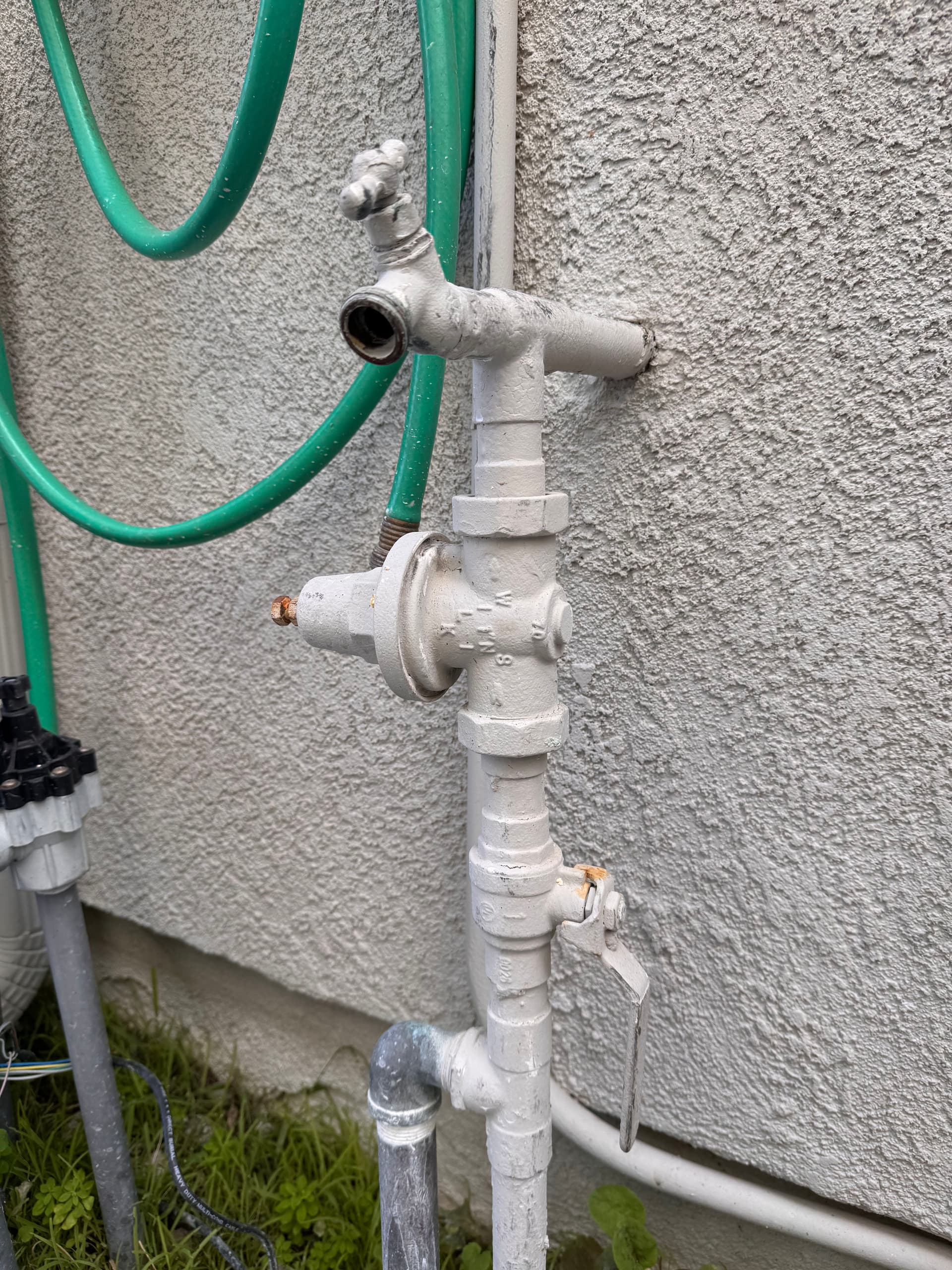
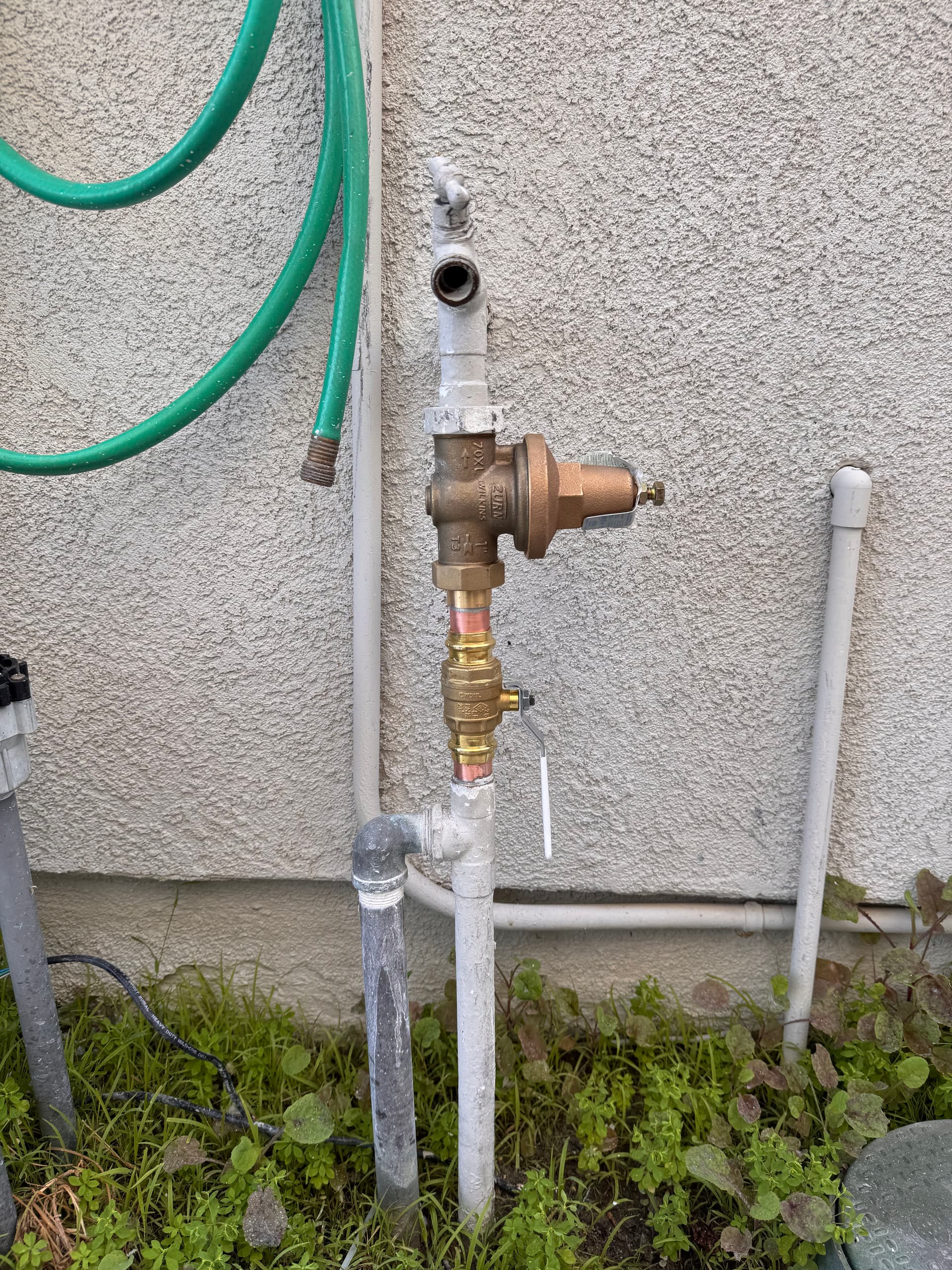
We replaced both the pressure regulator and the main shut off valve on this one. The old setup had run its course - the regulator was done, and the shut off valve wasn't in great shape either. These two components work together to protect your entire plumbing system, so when one fails, we make a point to assess everything around it while we're already there.
The pressure regulator is the part that keeps water coming into your home at a safe, consistent pressure. Without it working properly, you can end up with pressure that's way too high - and that puts real stress on your pipes, your appliances, and your fixtures over time. The main shut off valve is equally important. It's the one thing that lets you cut water to the entire house fast, whether you're dealing with an emergency leak or just doing routine work.
What went in is solid - a quality brass PRV and a new shut off valve that gives full, reliable control. Clean connections, proper fitment, no shortcuts. This kind of work ties directly into our pressure testing services too. Once new components are in place, we verify everything is holding steady before we call it done.
If your water pressure feels inconsistent - too strong, too weak, or just unpredictable - it's worth having it checked. A failing pressure regulator doesn't always announce itself loudly. Sometimes it's subtle, and by the time it's obvious, there's already wear happening inside your plumbing you can't see.